Trained immunity (TI) is a form of innate immune memory characterized by boosted innate immune responses to secondary heterologous challenges following an initial stimulus. Several inducers, including fungal β-glucan and the Bacillus Calmette–Guérin (BCG) vaccine, induce TI in human peripheral blood mononuclear cells (PBMCs). Although the potential of TI in colon cancer has been explored in murine models, its relevance in patients remains poorly understood.
Endometriosis is a chronic inflammatory disease characterized by ectopic endometrial tissue growth, causing pain and infertility. Diagnosis is often delayed due to reliance on imaging and invasive methods, highlighting the need for non-invasive biomarkers for early detection.
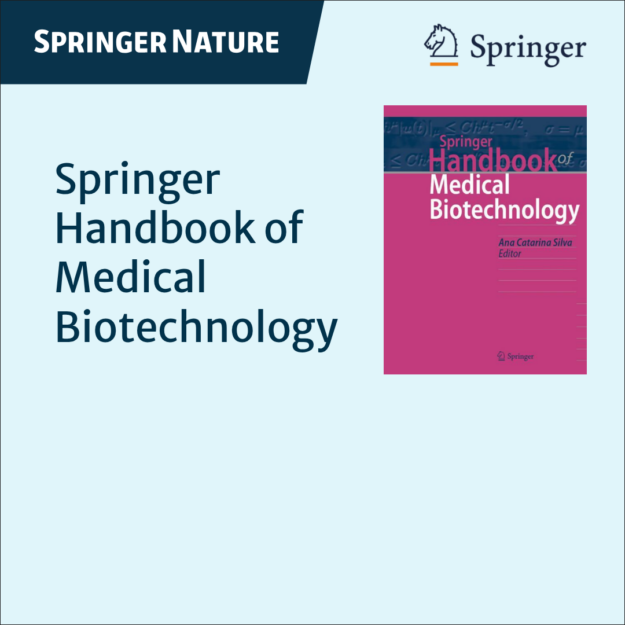
This Springer Handbook is a comprehensive, all-in-one reference in medical biotechnology. Covering cutting-edge therapies, regulatory frameworks, and industrial applications, this authoritative volume is essential for professionals and researchers in biotechnology, pharmacology, biomedical engineering, and related fields.
Paediatric acute hepatitis of unknown aetiology (PAHUA) has emerged as a global health concern, yet its cause remains unidentified. This study characterises the clinical and immunological profiles of PAHUA to identify reliable immune biomarkers for accurate diagnosis.
The devastating impact of respiratory infections demonstrates the critical need for novel prophylactic vaccines. In this opinion article, we advocate for bacterial immunotherapies as a complementary tool in our fight against respiratory infections.
Neuroendocrine neoplasms (NENs) comprise a group of rare tumors originating from neuroendocrine cells, which are present in both endocrine glands and scattered throughout the body.
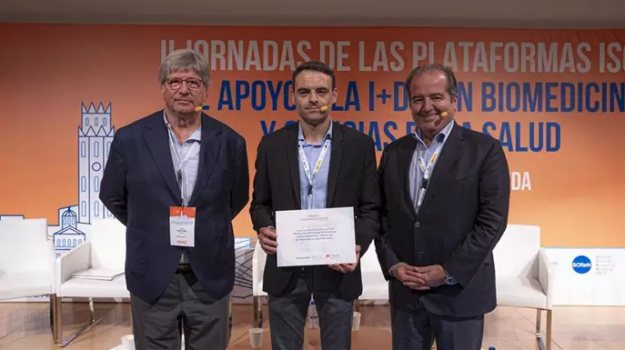
Pfizer Foundation awards our laboratory with the “Premio Fundación Pfizer – ITEMAS al mejor proyecto de innovación en salud surgido de las Unidades y Unidades Asociadas de la Plataforma ITEMAS-ISCIII”. This award recognized the value of our project regarding the use of blood liquid biopsy to identify patients suffering from colon polyps or tumors. Beyond…
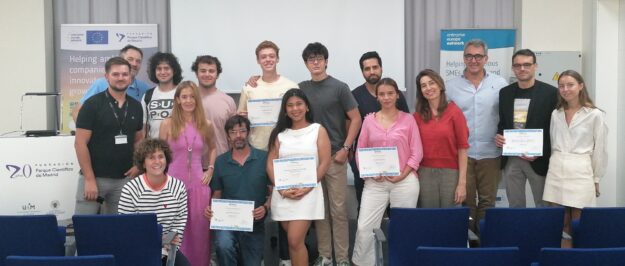
Continuing with our efforts to bring the results generated in the lab to our patients, and in line with our previous achievement granted by ASEICA-La Caixa, we have been selected by Fundación Parque Científico de Madrid as part of the program APTEnisa Start 2024. We continue pushing our project focused on a blood-based liquid biopsy…
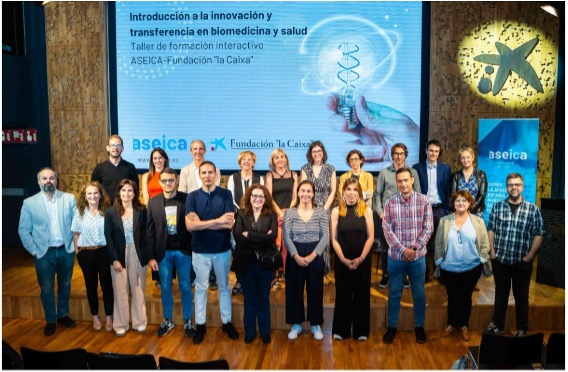
Selected by ASEICA – La Caixa In our lab, as part of the research line where we are looking for cancer biomarkers, we are developing a project for the establishment of a blood-based liquid biopsy to identify patients suffering from colon polyps or tumors. As a translational laboratory, we aim to bring our research…
For decades, innate immune cells were considered unsophisticated first responders, lacking the adaptive memory of their T and B cell counterparts. However, mounting evidence demonstrates the surprising complexity of innate immunity.